



If you’re shopping for new window coverings, pleated blinds are probably on your radar. They’re neat, understated, and fit comfortably into almost any type of home. But before you settle on a colour or style, it’s worth understanding what actually goes into making them. A lot of people ask, What materials are pleated blinds made from? and the answer can make a real difference to how the blinds perform in everyday life.
Different materials affect how much light comes through, how well the blinds hold their shape, how easy they are to clean, and even how warm a room feels. Knowing your options helps you make a choice that suits both your home and how you use each space.
The everyday fabrics most people choose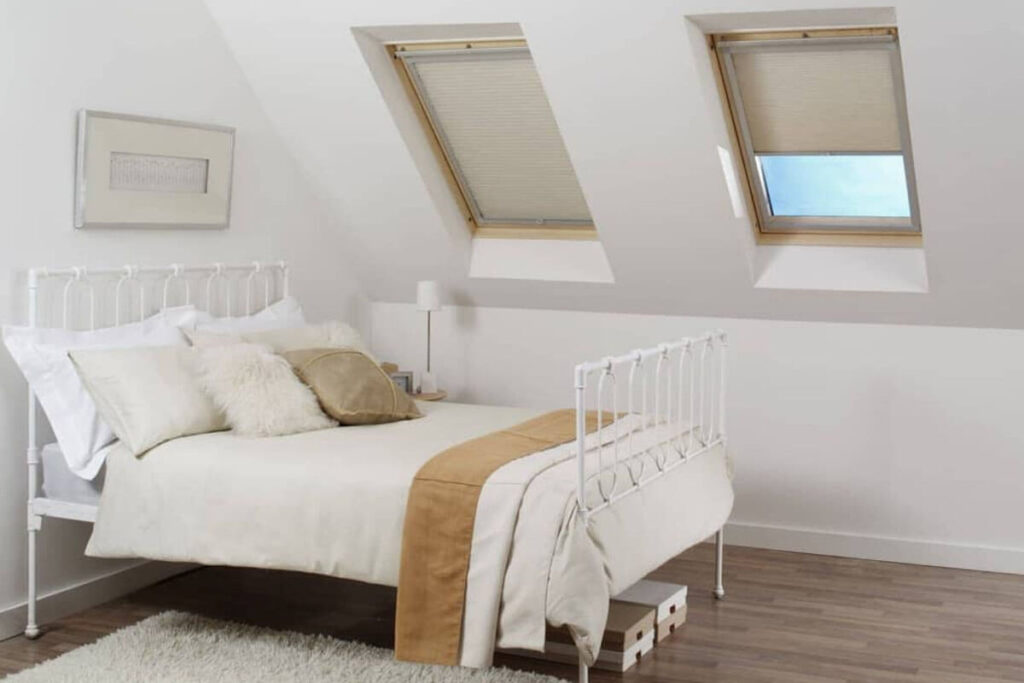
Most pleated blinds you’ll come across are made from polyester-based fabrics. There’s a reason for this. Polyester is strong, lightweight, and flexible enough to be folded into neat pleats without losing its shape over time. It’s also relatively easy to care for, which is a big plus in busy households where window coverings are likely to collect dust or the odd mark.
What many people don’t realise is just how varied polyester fabrics can be. Some have a smooth, crisp finish that suits modern interiors. Others are slightly textured, giving a softer, more relaxed look that works well in traditional or cosy spaces. Because the material takes dye well, it’s available in everything from subtle neutral shades to richer colours that add a bit of personality to a room.
Light control: from soft daylight to full blackout
When thinking about What materials are pleated blinds made from?, light control is usually high on the list of concerns. Standard pleated fabrics tend to filter light rather than block it completely. This is ideal for living rooms, dining rooms, and kitchens, where you still want daylight but without harsh glare.
For bedrooms or home offices, you might want something more substantial. Many pleated blinds use fabrics with a special backing or coating that significantly reduces the amount of light that passes through. These blackout materials are still usually polyester at their core. But with additional layers that improve privacy and help darken the room. They can make a noticeable difference to sleep quality, especially during lighter mornings and evenings.
Thermal and energy-saving materials
Some pleated blinds go a step further by helping with insulation. Honeycomb, or cellular, pleated blinds are made using layered materials that create small pockets of trapped air within the folds. This design adds an extra barrier between your room and the window, helping to keep heat in during winter and reduce heat build-up in summer.
The materials used for these blinds are designed to hold their shape and structure, even with regular use. While they might look similar to standard pleated blinds at first glance, the added insulation can make rooms feel noticeably more comfortable. For people trying to reduce energy bills, this type of material can be a practical upgrade.
Materials for kitchens and bathrooms
Not every room has the same conditions, and that matters when choosing blind materials. Kitchens and bathrooms often have higher levels of moisture, steam, and temperature changes. For these spaces, pleated blinds are usually made from fabrics that cope better with humidity and are easier to wipe clean.
These moisture-resistant materials help prevent the fabric from warping, sagging, or developing mould over time. They’re still soft enough to look good at the window, but more resilient than standard fabrics. If you’re browsing pleated blinds grimsby suppliers or showrooms, it’s worth asking which materials are best suited to humid rooms, as not all fabrics are created equal.
Eco-conscious material options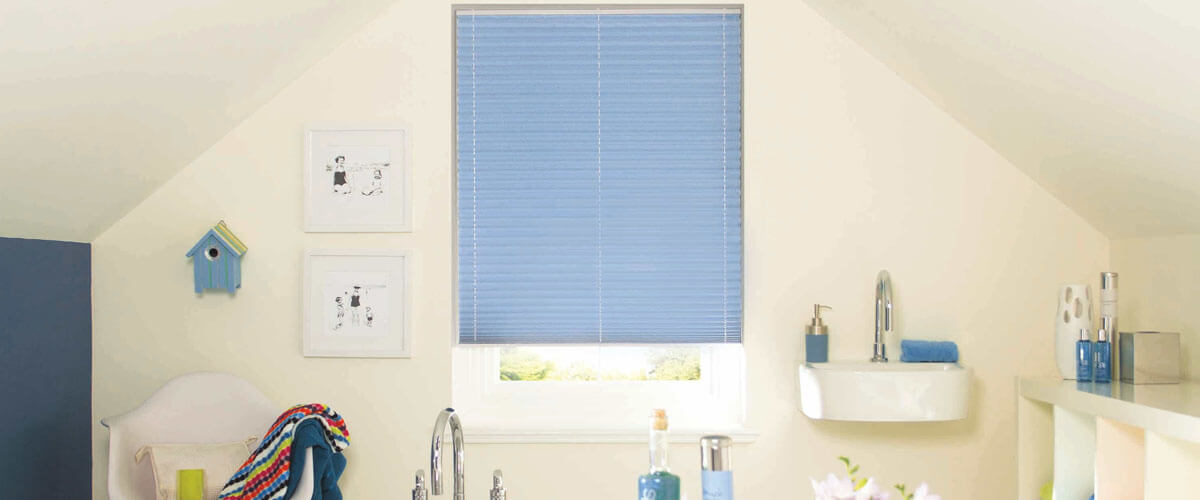
There’s growing interest in more sustainable home products, and pleated blinds are no exception. Some manufacturers now use recycled polyester or lower-impact production methods to create their fabrics. While these blinds look much the same as traditional options, they can appeal to homeowners who want to make slightly greener choices where possible.
If this is important to you, it’s always worth asking where the materials come from and how they’re made. Even small changes in the materials used can add up when you’re fitting out several rooms in a home.
Choosing what works for you
So, What materials are pleated blinds made from? In simple terms, most are based on polyester fabrics, with variations designed for light filtering, blackout, insulation, or moisture resistance. The “best” material depends on the room, how much light you want, and how the space is used day to day.
There’s no one-size-fits-all answer, but with a bit of guidance, it’s much easier to find blinds that look good and work hard in your home.
Contact Us
If you’d like friendly advice on choosing the right pleated blind materials for your home, feel free to get in touch with our team. We’re always happy to talk through your options and help you find something that suits your space.
Not sure what you need?
Contact Us
If you would like more information on Blinds in Grimsby or Cleethorpes, then get in touch today. You can email us here with your requirements, or if you prefer to call one of our friendly advisors at 01469 664 017 feel free to do so. Alternatively, if you would like to visit Lincolnshire’s largest showroom for window shading, pop in and see us.
Prefer a callback instead?
Request a callback and we’ll provide free advice over the phone.
"*" indicates required fields